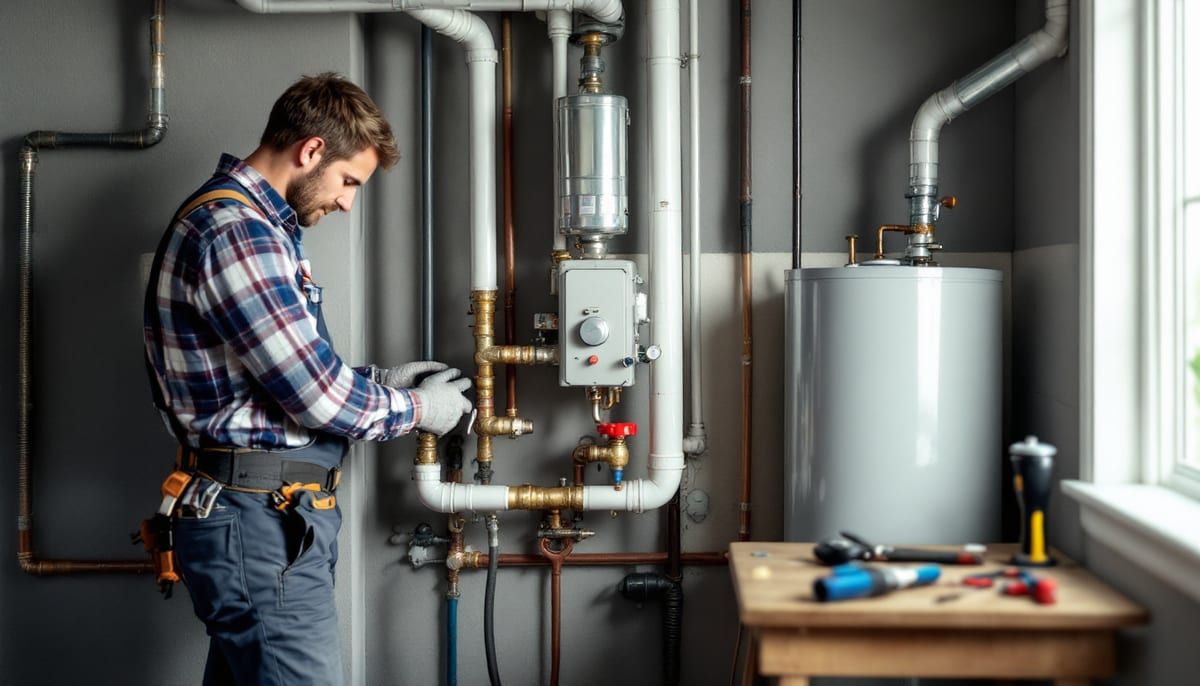
You notice a small wet spot under the kitchen sink on a Tuesday night. Could be nothing. Could be the start of a $600 repair. That uncertainty is genuinely stressful, and it's the same feeling homeowners across Union County deal with constantly, in Scotch Plains, Westfield, Cranford, Linden, and every town in between. The pipes are aging in a lot of these homes. Winters hit hard. And nobody wants to call a plumber without knowing if they're about to drop $150 or $1,500.
This post gives you straight answers. What plumbing repairs actually cost in Union County, how the process works when you call a licensed plumber, what jobs need permits, and when you should stop messing with it yourself. No fluff, no scare tactics. Just what you need to know before you pick up the phone.
What Does Plumbing Repair Cost in Union County?
Simple fixes such as faucets, supply lines, toilet parts or minor clogs usually run $150 to $450; mid-range work $350 to $900; major repairs $800 to $3,500. The final number depends on what's broken, how accessible it is, and whether parts need to be sourced. Here's how common jobs compare so you can calibrate your expectations before anyone shows up at your door.
For current price ranges, see our plumbing repair cost guide.
- Leaky faucet or fixture: Generally the least expensive call. The price depends on the fixture type and whether cartridges or valves need replacing.
- Clogged drain: A simple clog near the fixture sits at the low end. If the clog is deep in the line or requires camera inspection, expect to pay more.
- Pipe repair or patching: This depends heavily on location and material. Accessible repairs on copper or PVC pipe cost less. Pipes behind walls or in crawl spaces take longer and cost more.
- Water heater repair: The cost depends on what failed, and it climbs for complex component failures or units that are borderline replacement candidates.
- Minor fixes: Tightening a loose supply line or replacing a toilet flapper are low-cost jobs. A plumber might handle these as part of a service call with a flat trip fee.
One thing to understand about plumbing pricing: a trustworthy company gives you the number before the work starts, not after. If you're getting vague "time and materials" language without a written estimate, that's a problem. Always get the number upfront in writing.
Quick win you can do today: Before calling anyone, take your phone under the sink or near the problem area and shoot a short video. A 30-second clip of the leak, the water pressure, or the drain behavior gives a plumber real diagnostic information before they arrive. You'll get a more accurate phone estimate and waste less time during the visit.
How Does the Plumbing Repair Process Actually Work?
A legitimate plumbing repair follows a clear, predictable sequence. If a plumber skips steps or jumps straight to selling you something, that's worth paying attention to. Here's what a proper service call looks like from start to finish.
- Diagnosis: A licensed plumber looks at the root cause, not just the symptom. A dripping faucet might be a worn cartridge. A slow drain might be a localized clog or a problem 40 feet down the line. Good diagnosis saves you from fixing the wrong thing.
- Written estimate: Before any work begins, you get the number. Labor, parts, time estimate. You review it and approve it. Full stop.
- The repair: This is the actual work. Replacing a valve, clearing a blockage, patching a pipe, swapping out a pressure relief valve on a water heater. The scope depends entirely on what was found in step one.
- Testing: A plumber doesn't pack up and leave without running the system. Water pressure is checked, drains are flushed, connections are verified. If something's still off, it gets addressed before the job is closed.
- Walkthrough: You get a plain-English explanation of what was done and what caused the problem. A good plumber also tells you what to watch for, whether that's signs of recurring buildup, a valve that's getting old, or a pipe segment that should be inspected next year.
The biggest mistake homeowners make is calling in a panic and not asking questions once someone is in the house. You have every right to ask what they found, why the repair is necessary, and whether there are options at different price points. A licensed professional should be able to answer all three without getting defensive.
Do Plumbing Repairs in NJ Require a Permit?
Some do. Whether your job needs a permit depends on the scope of work and which municipality you're in. This is one area where Union County homeowners often get caught off guard, especially when they find out after the fact that an unpermitted repair caused problems during a home sale.
Jobs that typically require permits in New Jersey include:
- New pipe installations or major repiping: Any significant change to the plumbing system's layout or supply lines.
- Water heater replacement: Most municipalities in Union County require a permit for a new water heater installation, even when it's a direct swap.
- Sewer line work: Repairs or replacements involving the main sewer line often require both a permit and an inspection.
- Drain system modifications: Adding or relocating drain lines typically needs sign-off from your local building department.
A licensed plumber who knows the local requirements handles the permit process for you. That's not a nicety. It's part of what you're paying for when you hire someone properly licensed.
Here's the real risk of skipping permits: when you sell your home, unpermitted work shows up as a liability. Buyers' inspectors flag it, title companies flag it, and in some cases you're required to open walls and redo the work before closing. It's not worth the short-term savings.
Scotch Plains, Westfield, Cranford, and Linden each have their own local building departments, and requirements can vary slightly between them. A plumber familiar with Union County already knows the process for each town and handles the filing without you needing to figure it out yourself. You can see the range of towns we work in on our service area page.
What Plumbing Problems Should Union County Homeowners Expect by Season?
New Jersey's climate creates real, predictable plumbing stress points that shift by season. If you own a home in Union County, knowing what to watch for at different times of year helps you get ahead of problems before they become emergencies.
December through February: Frozen and burst pipes. This is the biggest cold-weather risk in the region. Exposed pipes in garages, unheated basements, crawl spaces, and exterior walls are the most vulnerable. When water freezes inside a pipe, the pressure can split the pipe at a joint or mid-run. A burst pipe in the wrong location can dump significant water into your home in a short window of time.
Two quick wins you can do right now if you're reading this in fall or early winter:
- Insulate exposed pipes: Foam pipe insulation sleeves cost a few dollars at any hardware store. Take 20 minutes and wrap anything in your garage, crawl space, or basement that runs near an exterior wall. It's not a guaranteed fix in extreme cold, but it significantly reduces your risk.
- Keep interior heat consistent: When you're away for the weekend or over the holidays, don't drop the thermostat below 55 degrees. The savings on your heating bill won't come close to covering even a minor pipe repair.
March through May: Drainage stress from spring rain. Union County gets real precipitation in spring, and heavy rainfall puts load on drainage systems that have been sitting dormant all winter. Sewer backups, slow floor drains, and standing water in basements tend to spike during this window. If your drains have been sluggish, scheduling an inspection before the heavy rain season hits is a smart move. Our drain cleaning services include camera inspection for homeowners who want to see exactly what's going on before spending money on a repair.
Summer and fall are generally calmer seasons for plumbing, but that's also when homeowners notice issues they've been putting off. High water usage in summer can expose low water pressure or underperforming fixtures that didn't get attention during the busy spring.
When Should You DIY and When Should You Call a Plumber?
There's real DIY plumbing work you can handle without calling anyone. And there's work that looks manageable but creates a much bigger problem when it goes wrong. Knowing the difference saves you money and protects your home.
Reasonable DIY territory:
- Replacing a showerhead or basic faucet aerator
- Swapping a toilet flapper or fill valve (if you're comfortable shutting off the water supply)
- Tightening a loose supply line connection under a sink
- Replacing a basic supply line if you can identify it's the source of a drip
Call a licensed plumber when:
- You're dealing with a pipe that's already cracked or separated
- Chemical drain cleaners haven't worked after one attempt (more use causes pipe damage)
- You can see water behind a wall or coming up through a floor
- Your water heater is leaking from the tank itself, not just a connection
- You smell something that could be gas near your water heater or appliances
- The problem involves your main shutoff valve, pressure regulator, or sewer clean-out
The practical reason to call a licensed plumber instead of guessing is insurance. In New Jersey, licensed plumbers carry liability coverage that protects your property if something goes wrong during the repair. If you do the work yourself and a pipe connection fails two weeks later, that's entirely on you and your homeowner's insurance. For anything beyond straightforward fixture swaps, the licensed route is the right one. You can learn more about our full plumbing repair services and what we handle in Union County.
What Should You Look for When Hiring a Plumber in Union County?
Not every company that answers the phone is operating the same way. There are a few non-negotiable criteria that separate a professional outfit from one that will cause you headaches.
New Jersey state licensing. Plumbers in NJ must be licensed through the state. This isn't optional and it's not a formality. A licensed plumber has demonstrated competency, carries required insurance, and is accountable through the state licensing board. Always ask for the license number before authorizing work. Any legitimate company will give it to you without hesitation.
Written estimates before work begins. If a company gives you vague verbal numbers and starts working before you have anything in writing, walk away. Reputable plumbers provide written estimates that include parts, labor, and any variables that could change the price. You should never be surprised by the final invoice.
Emergency availability. Plumbing failures don't schedule themselves for business hours. A burst pipe at 11pm on a Saturday is still a burst pipe. Knowing your plumber has emergency availability is worth finding out before you need it.
Local knowledge. A plumber who's worked in Union County knows the permit requirements in Scotch Plains vs. Cranford vs. Linden. They know the pipe materials common in homes built in different eras across the county. They know which issues tend to come up in older ranch-style homes vs. townhomes vs. newer construction. That kind of local experience matters when diagnosis gets complicated.
If you want to see what other Union County homeowners have said about working with us, our reviews page has that feedback straight from local customers.
Why Choose Vanguard Service NJ?
Vanguard Service NJ is a licensed plumbing and HVAC company based in Scotch Plains, serving Union County and the surrounding communities we've worked in for years. That means Westfield, Cranford, Linden, and the towns around them.
We give homeowners straight answers before any repair or replacement decision gets made. If a fix is the right call, we tell you. If a replacement makes more financial sense, we tell you that instead. Nobody wants to spend $400 repairing a water heater that's going to fail again in eight months.
Every job starts with a real diagnosis and a written estimate. We handle permits when the job requires them. And we carry the licensing and insurance that protects your home, not just our company. If you're also dealing with heating or cooling issues alongside your plumbing, our HVAC services cover that side of the house too. For pricing help before committing, you can also use our instant estimate tool to get a ballpark number without a phone call.
The Bottom Line
Here's what matters: What a plumbing repair costs depends on the job, but the process should always start with a written estimate before any work begins. New Jersey requires permits for major repairs and replacements, and skipping that step creates real problems down the road. For anything beyond basic fixture swaps, a licensed plumber is the right call.
Need plumbing help in New Jersey? Call Vanguard Service NJ at 908-577-5579 or request service online.